
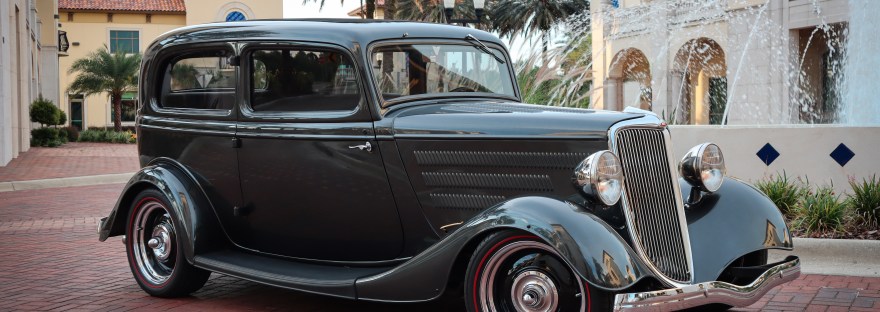
After 18 months, 1,228 labor hours, thousands of decisions, and more than a few headaches along the way, the third restoration of our 1934 Ford two-door sedan was finally done. Florida Rod Shop did a fantastic job restoring life into the car.
If you’ve been with us from the beginning, you’ve witnessed this restoration from start to finish through the first two chapters:
With chapter three, it’s time to enjoy the fruits of our labor. It’s time to drive this thing.
Seeing the Finished Restoration on the Road
Within hours of arriving back home from the restoration shop, the car’s maiden voyage began. Dad and I started from Florida and drove over 1,000 miles to Indianapolis.
By the time we returned from the Street Rod Nationals in Louisville, Kentucky, the car had logged more than 2,000 miles and not dropped a single hint of trouble.
That, my friends, is about as perfect of a story as you can ask for with a freshly restored 90-year-old automobile.
A Vision Three Restorations in the Making
This wasn’t the first time someone poured their heart and soul into restoring this car. This restoration was the third incarnation of our 1934 Ford sedan.
The previous restorations were performed by my dad and uncle when they originally purchased the car, and later by my uncle after acquiring the car from my father years later. You can read about both of those projects here:
Both restorations were true reflections of the car at the time they were performed. Colors were chosen, updates were made, and details were applied that represented the vision and resources of the restorers at those points in time.
Our goal for this third restoration wasn’t to change who this car was but to build upon it.
We wanted upgrades and details that would honor its past while providing the comforts and drivability expected by today’s standards for a street rod.
Together, we created a car that still feels unmistakably like a 1934 Ford, but with new details and updates that actually make it fun to drive on modern roads.
The Mechanicals: Reliability for Miles and Years to Come
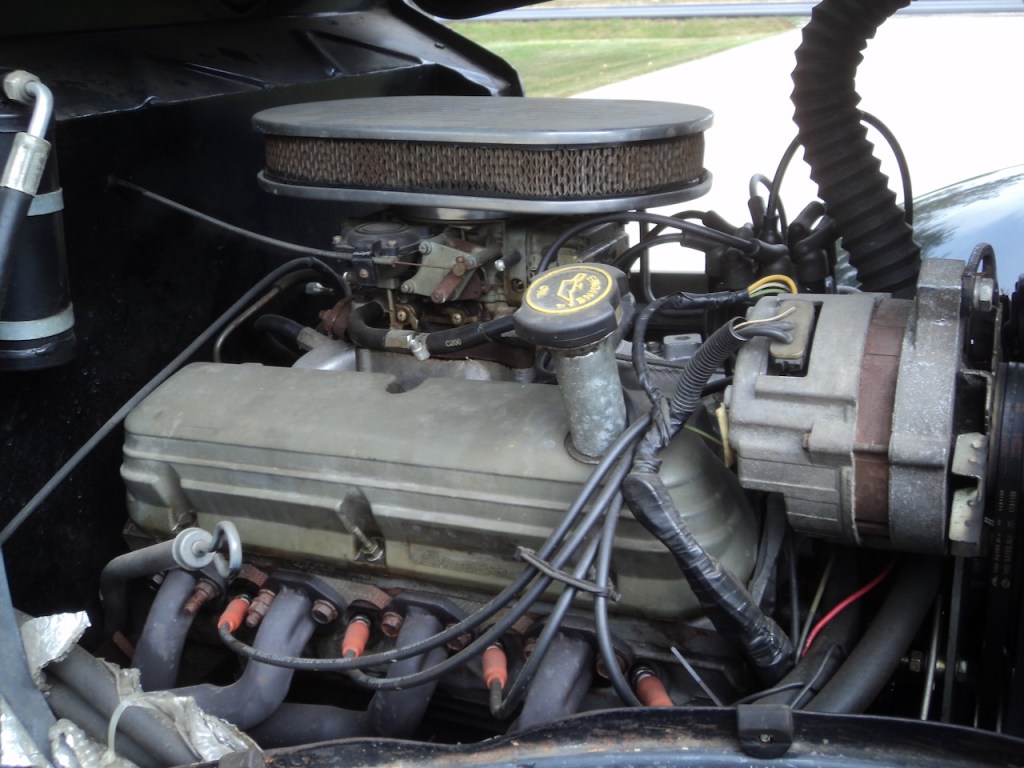
The first order of business in any restoration should always be to examine the vehicle’s mechanical condition. The Ford 302 V8 and AOD automatic transmission installed during the previous restoration were good, solid choices that still stood the test of time.
That wasn’t to say updates weren’t made. To ensure reliability for years to come, we decided that, rather than replacing every mechanical component installed during previous restorations, we’d refresh and renew what was already there.
Here’s where we started:
The drivetrain was completely regasketed to eliminate oil leaks and prepare the car for a lifetime of trouble-free driving.
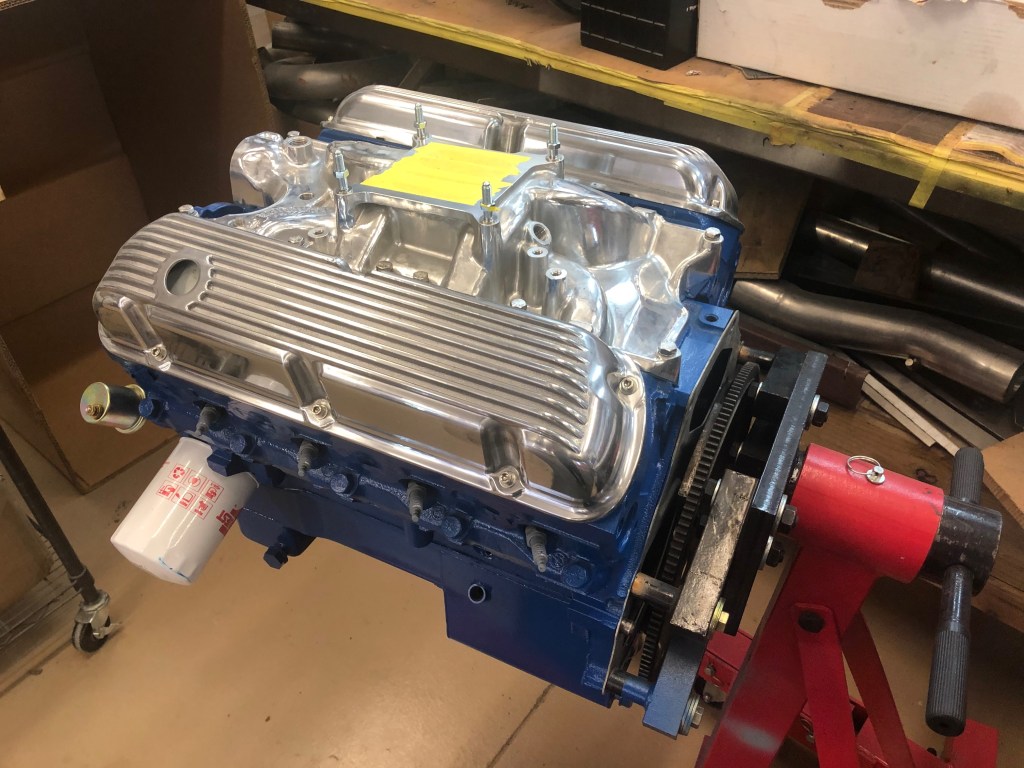
Below are additional mechanical upgrades and updates that were made:
- Suspension upgrades
- Steering improvements
- Brake system upgrades
- Corrections to the electrical system
- Cooling system improvements
- Fuel system updates
Again, each decision we made prioritized reliability.
The results would be put to the test almost immediately.
Improving on Mustand II Front Suspension Setup
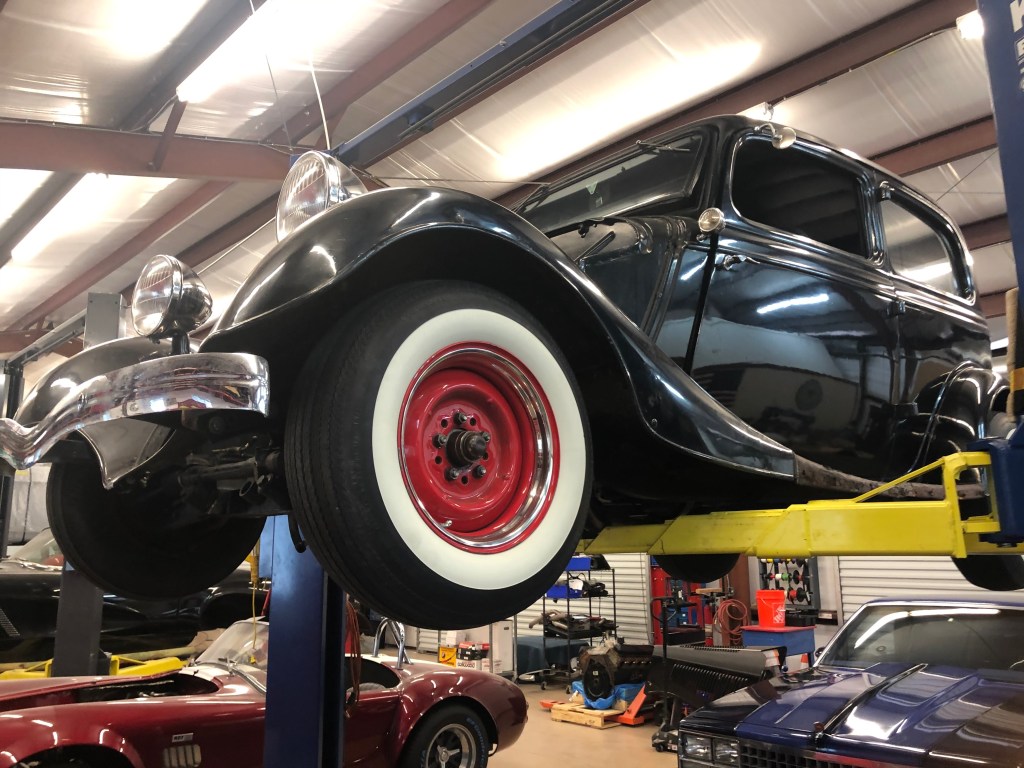
The Mustang II front suspension received new tubular upper and lower control arms to replace components that had served well for many years but were due for an upgrade.
These improvements led to:
- Better steering response
- Improved ride quality
- Enhanced highway stability
- Overall long-distance comfort
It didn’t take long to notice the improvements to the suspension setup. We put over 1,000 miles of highway driving on the car in the first week alone after leaving the shop.
The improved suspension helped the car track straight, ride smoothly, and feel stable during our long journey home.
Rebuilding Body & Paint
Mechanical improvements were certainly important, but visitors to our shop were likely going to notice changes to the body and paint before anything else.
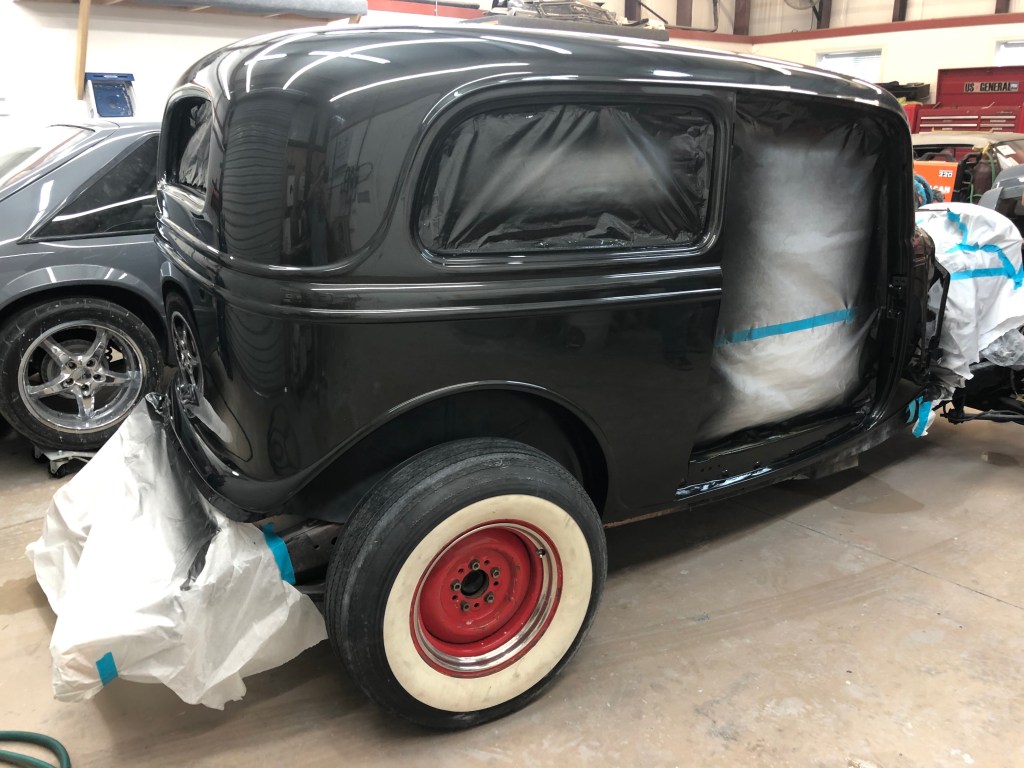
The existing black lacquer finish had been on the car for as long as we could remember. It was time for a change.
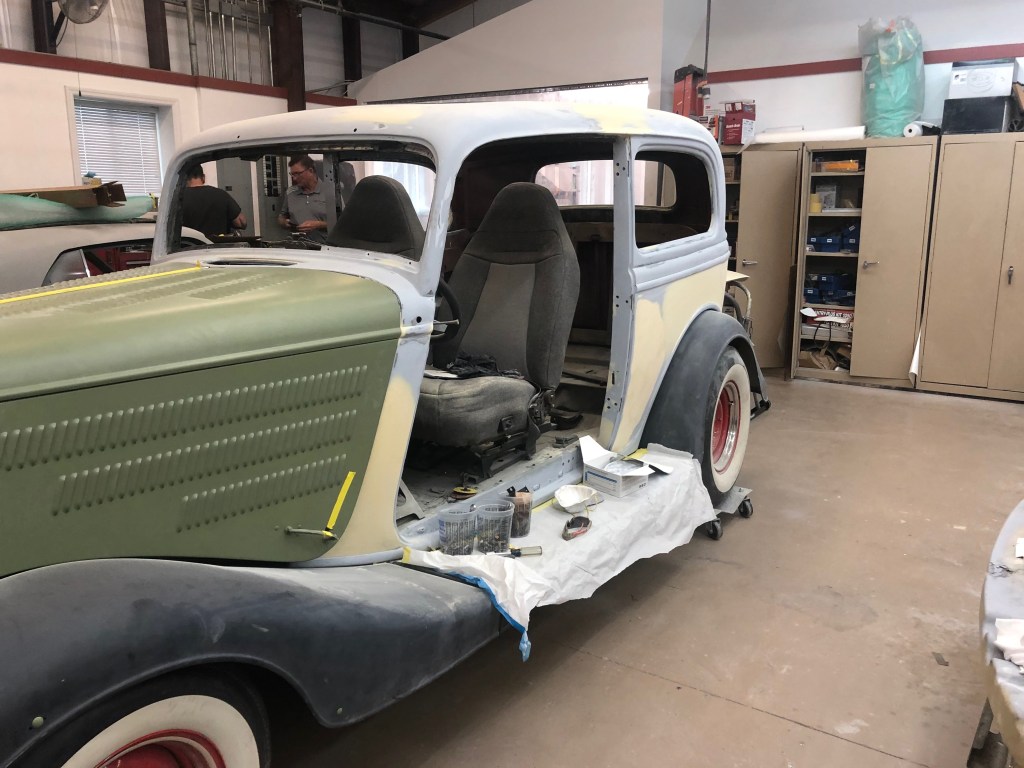
The body was completely stripped, repaired, realigned, and smoothed before moving on to blocking and sanding. Modern primer was applied before paint prep could begin.
Hours and hours of labor went into detailing each panel to ensure it met a standard higher than anything we had achieved in previous restoration attempts.
Watkins Glen Gray Metallic paint was chosen as the new exterior color.
Watkins Glen Gray Metallic Paint Upgrade
Watkins Glen Gray Metallic is an exterior color originally used by Chevrolet on their C7 Corvette models produced between 2017 and mid-2019.
In some lights, this color almost appears like a deep metallic gray. Under brighter lights, you can see hints of:
- Blue
- Purple
- Green
The flakes in this paint seem to dance and change based on the angle you view them from. The sunlight creates a constant transformation of color.
Watkins Glen Gray Metallic is surprisingly subtle for a sporty gray while still maintaining an aggressive edge. On the clean body lines of a 1934 Ford two-door sedan, it’s timeless.
New Wheels Complete Updated Stance
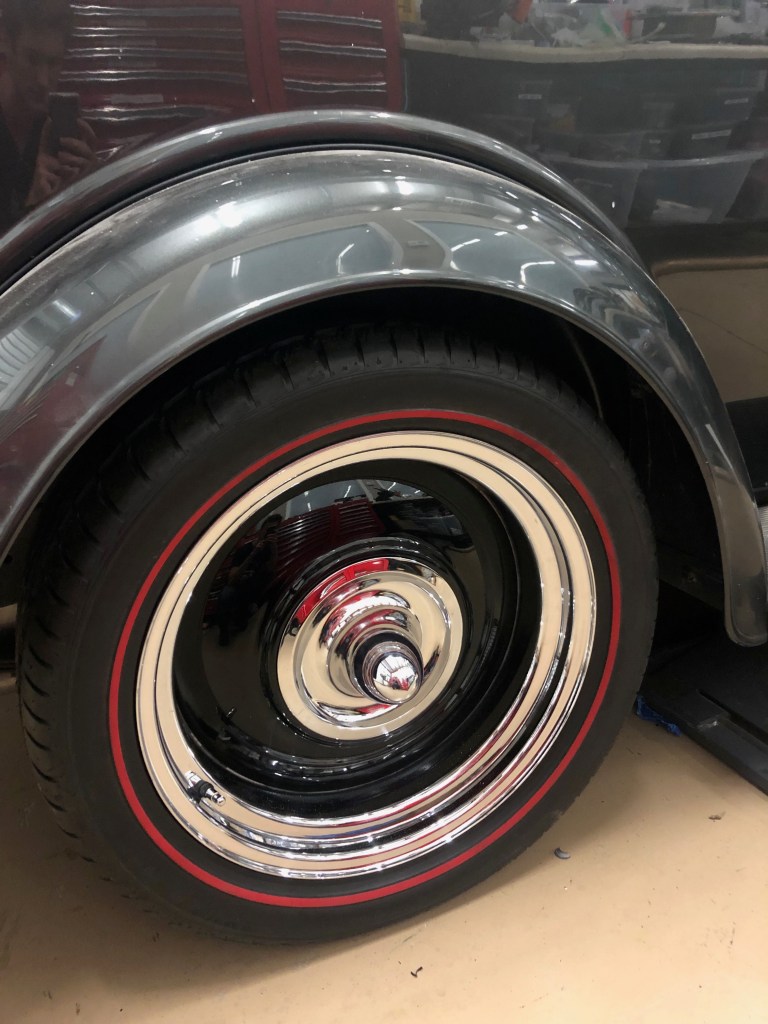
Wheels were upgraded across the board:
- 16″ US Wheel Smoothies up front
- 17″ US Wheel Smoothies in the rear
These painted US Wheel Smoothies feature chrome outer rings, black-painted centers, and bullet center caps.
This brand-new wheel-and-tire combination dramatically changed the car’s stance while maintaining a more traditional hot rod appearance.
A wheel swap can completely change the personality of a vehicle. In this case, it changed everything.
Restoration Interiors: Fresh Comfort for Long Drives
Comfortable interior appointments were another priority when approaching this restoration.
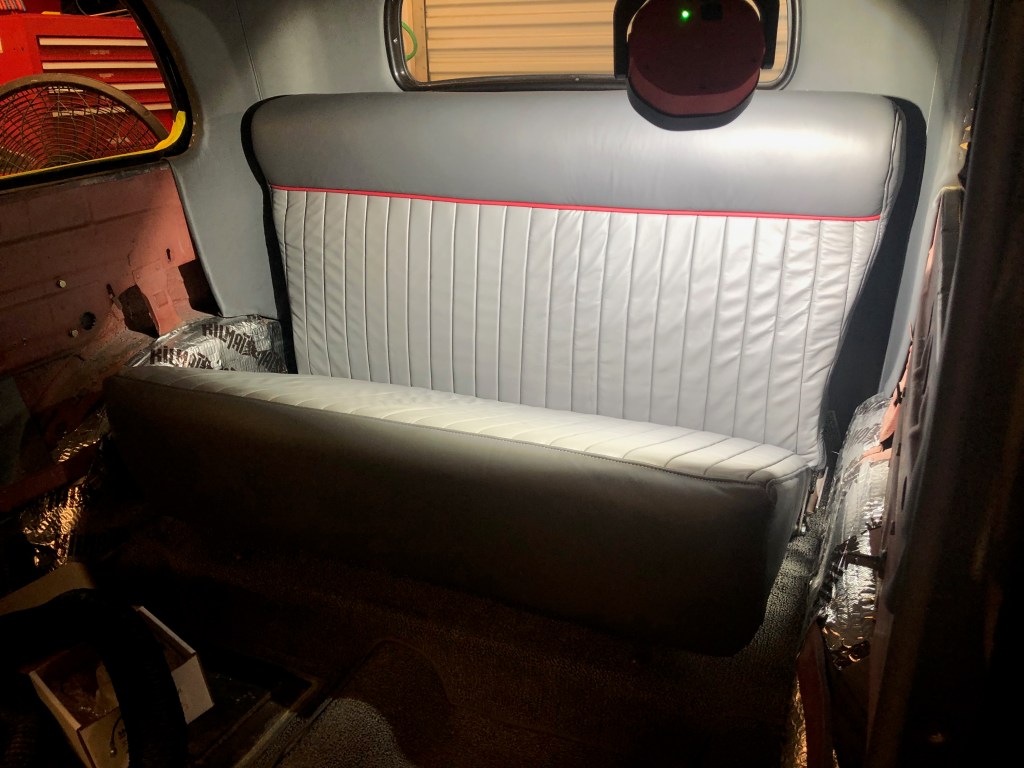
Gray leather upholstery was accented with red trim throughout the cabin to match the exterior paint.
Modern updates included:
Vintage Air A/C
It was always a concern driving across Florida during the summer. Vintage Air cooling keeps the car enjoyable for hours behind the wheel while maintaining a discreet look that doesn’t detract from the classic beauty of the interior.
Lokar Shifter
We chose to equip the car with a Lokar shifter for improved functionality without sacrificing the clean look we desired.
Tinted Windows
Windows throughout the car were replaced with modern glass that features a light tint. This provides many benefits, including:
- Improved aesthetics
- Reduced heat entering the cabin
Your car will retain heat like a furnace during those hot summer months if you don’t have tinted windows. Don’t make your street rod into an oven!
Opening Ceremonies: Sharing the Car with Family
With restoration complete, there was one location that was more important than any car show or street rod event we could attend.
We had to take the car to my uncle to show it off.
My father and uncle originally bought the car together many years ago. It was only right that he be among the first to see it in its new glory.
Teaching old cars new tricks.
Seeing his reaction was probably one of the most satisfying moments of the entire restoration process.
It reminded us that sometimes the stories behind these cars are just as important as the builds themselves.
Life After Restoration: Taking It on a Test Drive
Many cars spend their entire lives after restoration sitting in a garage. Ours hit the road immediately.
Our maiden voyage began in Florida and made its way north to Indianapolis.
For some folks reading this, that might sound terrifying. Drive your freshly restored 1934 Ford over 1,000 miles right out of the shop? What if something breaks?
That was kind of the point.
This restoration wasn’t about building a trailer queen. It wasn’t about creating a pretty car to hang onto for years to come and never drive. We built it to drive.
And drive it we did.
Street Rod Nationals 2022
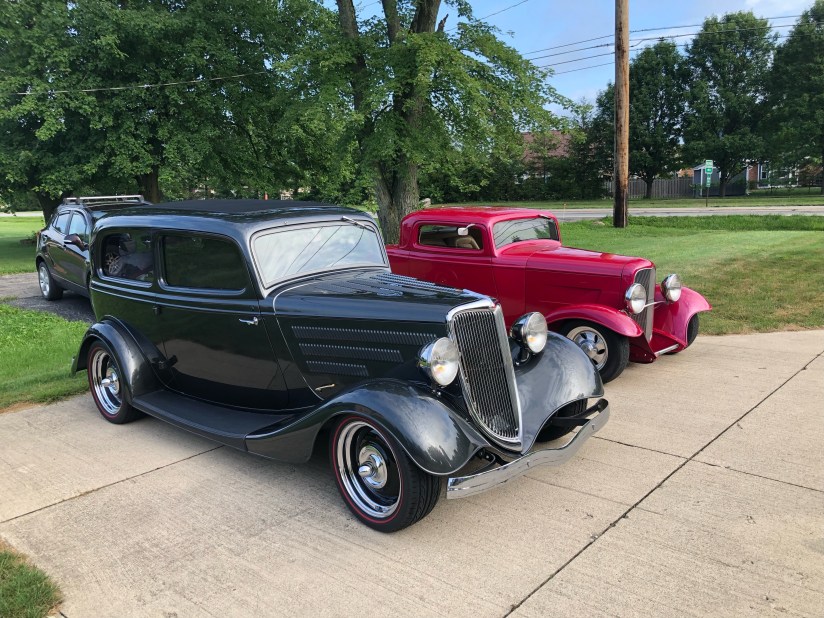
Next up was a trip to Louisville, Kentucky, for the Street Rod Nationals.
For those that don’t know, the Street Rod Nationals is one of the biggest and best events in the street rod industry. Every year, thousands of cars come from around the country to participate in this amazing event.
For us, rolling into the event in a car that we had freshly restored ourselves and had already put over a thousand miles on was especially rewarding.
It wasn’t just something to be shown. We actually drove the car and enjoyed it as it was meant to be.
Over 2,000 Miles Later…
How do you know when a restoration is truly done? Paint reflection? Trophy count?
Mileage.
We drove the car home from Louisville and stopped just short of surpassing 2,000 miles on our honeymoon car.
Not a single issue. No problems.
We drove across multiple states, attended one of the nation’s largest street rod events, shared a new bonding experience with family members over our beloved automobile, and made it back home without so much as a hiccup.
Not one problem.
For a car that will soon turn 100, that is a testament to the restoration itself, and to the care and attention to detail everyone who worked on it put into their work.
The Third Restoration Is Done. Now What?
Completing 1,228 labor hours and 18 months of building a dream sounds like something to celebrate.
It is. However, celebrating doesn’t mean this journey is over.
Remember how we talked about building new memories with this restoration above? Well, that time has come.
While chapter three of our 1934 Ford restoration is complete, our story with this car is really just beginning.
The car has a new look, improved reliability, modern comfort, and a renewed purpose. More importantly, it gave my father and uncle something to share with their son/nephew that will last a lifetime.
Until next time, keep restoring…




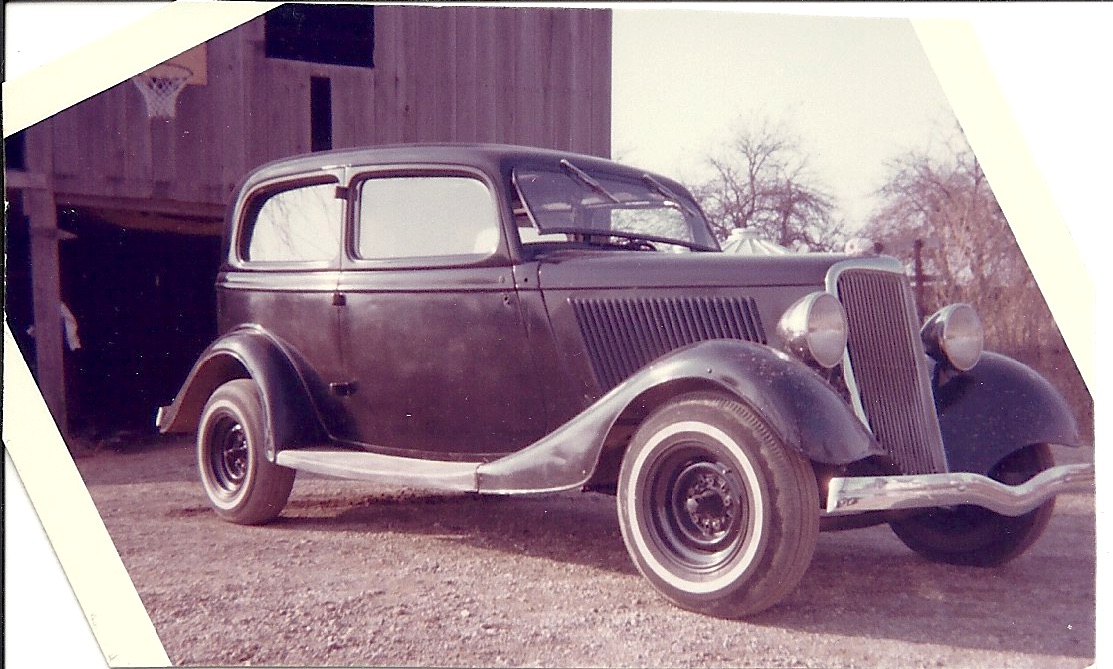
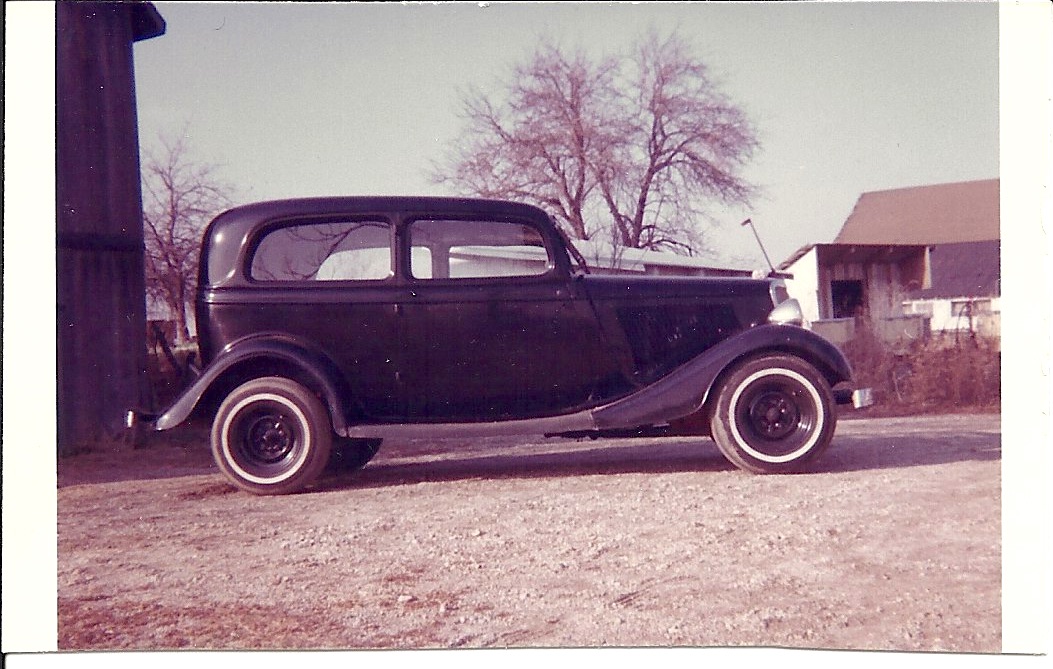
 In the spring of 1966, the 1934 Tudor sedan was completed and ready for the road. It was a beautiful car that Ron and Don were both proud of. Their families would often take it out for leisurely Sunday drives, enjoying the smooth ride and classic design. The car was well-maintained and in great condition over the years, creating memories for both families.

